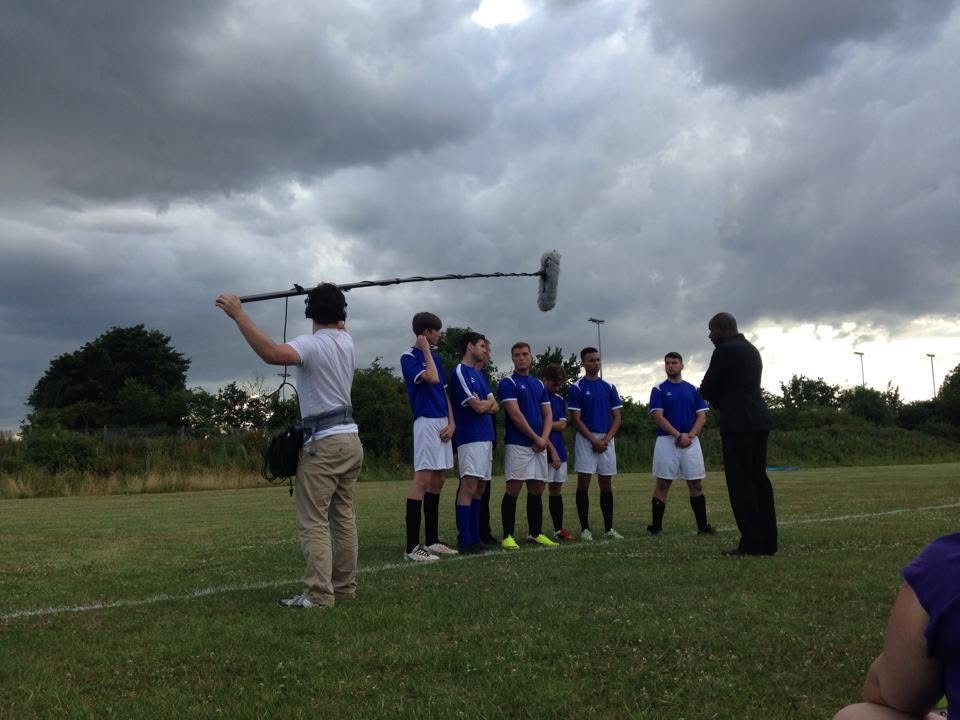
I recently read a post on a “sound for film making” forum that was asking advice for a first-time recordist, shooting a short film, which spurred me to share a little contribution here for the fresh-ears that are starting out
——————————————————————————
You will be rushed, stay calm, slow is smooth, smooth is fast.
Rehearsals are paramount, you have to break it before you can make it. If they don’t do rehearsals before a take & you break the frame/throw a shadow/miss a line, politely reject any frustration pointed at you. Get ahead of it by clarifying that mistakes “are what rehearsals are for”, without them production are open to those problems being discovered in the take, instead of fixing them in rehearsal.
Have a dedicated & sound-exclusive chair on standby to sit whenever possible, humans weren’t designed to have sound kit dangling off them for 12 hours a day, do not break your body for “Meal & exposure”.
When negotiating the job, whatever the agreement, make sure to communicate expectations cleanly & clearly ahead of time between all parties, for example, what is the shoot-day length? Are there clear penalties if you go into overtime? What kit is needed? Who is providing that kit? Is that kit covered with insurance if/when an actor breaks a radio mic? If you’re getting paid, have a clear definition of the payment period. Be very clear & in writing about numbers, units, per-day, per-week, per-shoot. You’re aim is for there to be no surprises on set, or on the invoice.
You’re only 1 person, & as such can only work in a linear fashion, at one point in time & space, politely but firmly decline anyone making you feel like you should be in two places at once (especially when you’re a single-person department).
Be nice & polite to everyone (friendly people are easy to recommend for more work!)
Don’t be a wet flannel or be a push over. Remember, you can be strong & nice at the same time, it comes with being cool & professional. When needed, you being strong about a situation can not only save a scene, it can save the entire shoot, this comes from knowing when something won’t work, regardless of how inconvenient, & guiding the shoot around the problems.
Never raise your voice.
Wherever possible, avoid discussing finances on set, someone is usually being paid more or less than someone else (if at all), it will cause problems. If you need to compare notes, do so off the pitch after the game. Use that info & experience to better your next negotiation.
If a deal is bad, it is better not to except it, than bring that regret on set with you, the work & hours are already difficult enough without the additional anxiety.
Try to talk to everyone, & look to listen more than you share. You’ll meet LOTS of different people with some amazing stories & insight, & you’ll walk away better for meeting them.
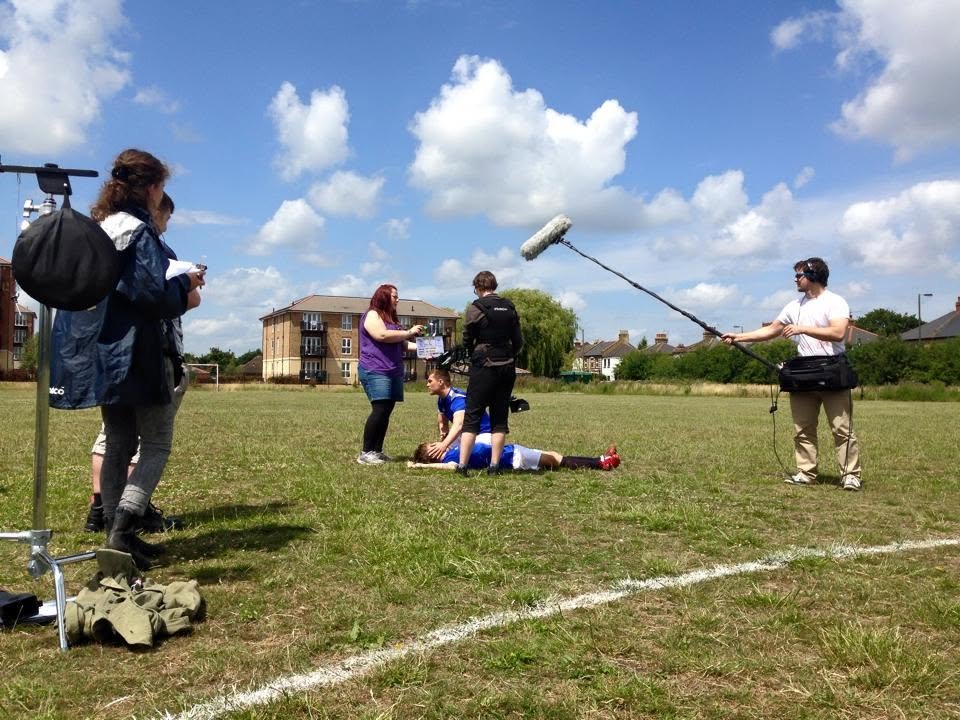
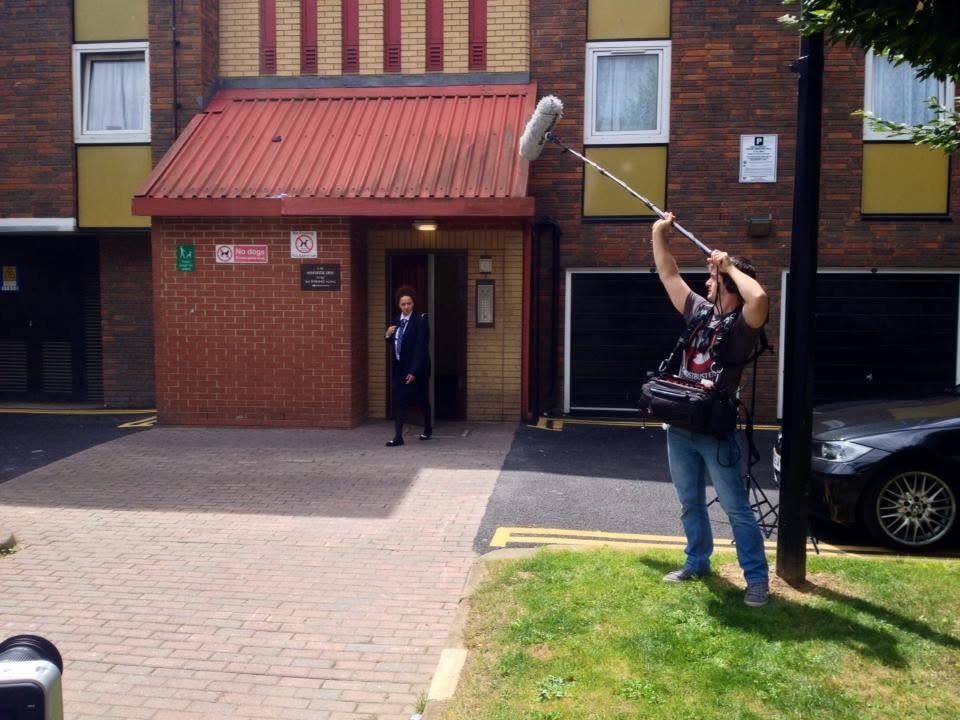
Always try to boom with your palms facing toward the camera. If the operator makes an unplanned tilt or pan, you’ll want to be able to see them.
Do not make eye contact with performers in the scene while booming, its distracting for them, as in they’re characters perspective, you shouldn’t exist. focus at the top of they’re head.
Stay in your lane. By all means look to learn as much as possible about everyone else’s department, but trust your team to do they’re jobs. To actually foster a collaborative atmosphere, takes everyone respecting each others work.
When it comes to the recording, it doesn’t matter what someone can or cannot hear with only they’re ears, it only matters what your mic hears (because that’s whats going to be in the edit).
Early on, assert the difference between “sound rolling” & “sound set”, so all departments know your a part of the process, & to rely on your part of the process.
DO NOT DIE MAKING A SHORT FILM (making any film for that matter). The effort it takes to get the wheels off the ground on a short film is considerable, because of this, directors & producers aren’t always thinking clearly about safety, so ALWAYS look out for yourself, if a setup or plan looks dangerous, speak up & call a “Sarah Jones” RIP. You can’t make use of that juicy career-making IMDB credit if you perished sliding off a rain-sodden hill to a creative obituary (this applies to actions leading to non-lethal body injuries as well as the dramatic fatalities referenced here).
YOU CAN SAY NO TO OVERTIME. If a shoot goes way(way) over schedule, to the point where its not only illegal but actually dangerous, you are not obliged to sustain poor time management & planning with your exhaustion, especially if you have to book-end a long day with a meaty commute, this is amplified if they expect you back on set the following morning with an unmovable call-time. Be polite but firm with your boundaries.
Short films can be a wild ride, with many people learning & honing they’re craft on the job & in the trenches, you included, ENJOY THE RIDE, you’ll often make great friends through those shared & often silly experiences. After wall, its all made up, so “laugh it up fuzzball”.
Lastly, it’s not a sound problem, it’s a location problem.
May the red lights be with you.
Signed: One of many Simons.